
The last decade for the horror genre has been genuinely embarrassing in terms of quality. Like, the genre has no business being this good. So let me walk you through what’s been keeping me up at night, and I mean that as a compliment.
Ari Aster Made Me Afraid of Dinner Tables
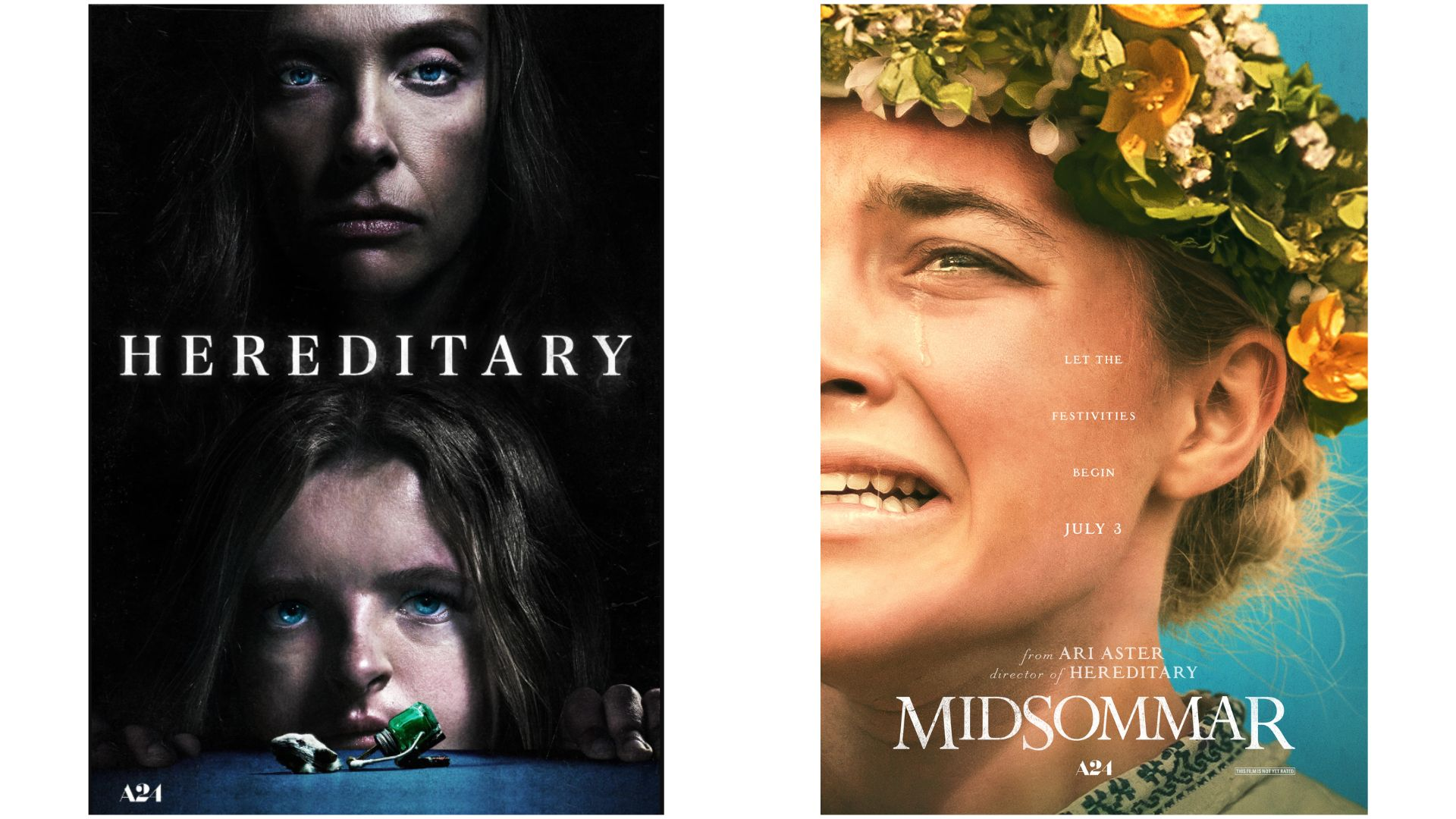
If you haven’t seen Hereditary (2018), first of all, where have you been? Second, I’m genuinely a little envious that you get to watch it for the first time. It announces itself as a haunted house movie and then quietly reveals it’s actually about grief, and family, and the horrible way trauma gets handed down through generations whether you want it to or not. The scares are very real. But the thing that lingers is the feeling of watching a family fall apart and being completely powerless to stop it. There’s a dinner table scene in this film that I still think about, and there’s no monster in it.
Then he followed it up with Midsommar (2019), a breakup movie disguised as Swedish folk horror, shot almost entirely in bright summer daylight, full of flower crowns and communal meals and people smiling at you in a way that makes your skin crawl. It should not work. It absolutely works. Aster has this gift for making you feel trapped in a situation that seemed completely fine when you arrived. By the time you clock that it isn’t fine, you are deep in it.
Osgood Perkins – Son of The Anthony Perkins, No Pressure
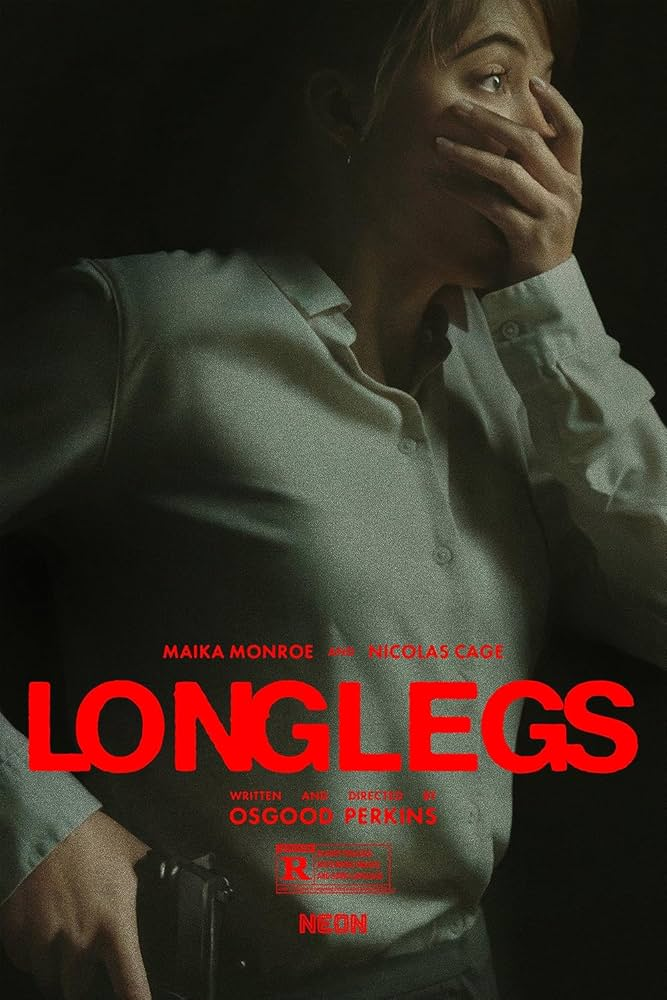
Here is a fun fact that sounds made up: the director of Longlegs (2024) is Osgood Perkins, whose father is Anthony Perkins, the man who played Norman Bates in Hitchcock’s Psycho (1960). Horror is literally in his bloodline, and he is not wasting it.
Longlegs is a genuinely weird film, and I say that with admiration. It has its own internal logic that it never fully explains, and Nicolas Cage’s performance is so unhinged and so committed that you cannot look away from it even when you very much want to. The whole film sits at a frequency just slightly below what you can consciously process, and that unease builds and builds. It got under my skin in a way I didn’t see coming, and I was thinking about it days later. Which, honestly, is all I’m asking of a horror film.
Two YouTubers Walk Into A24 and Actually Deliver
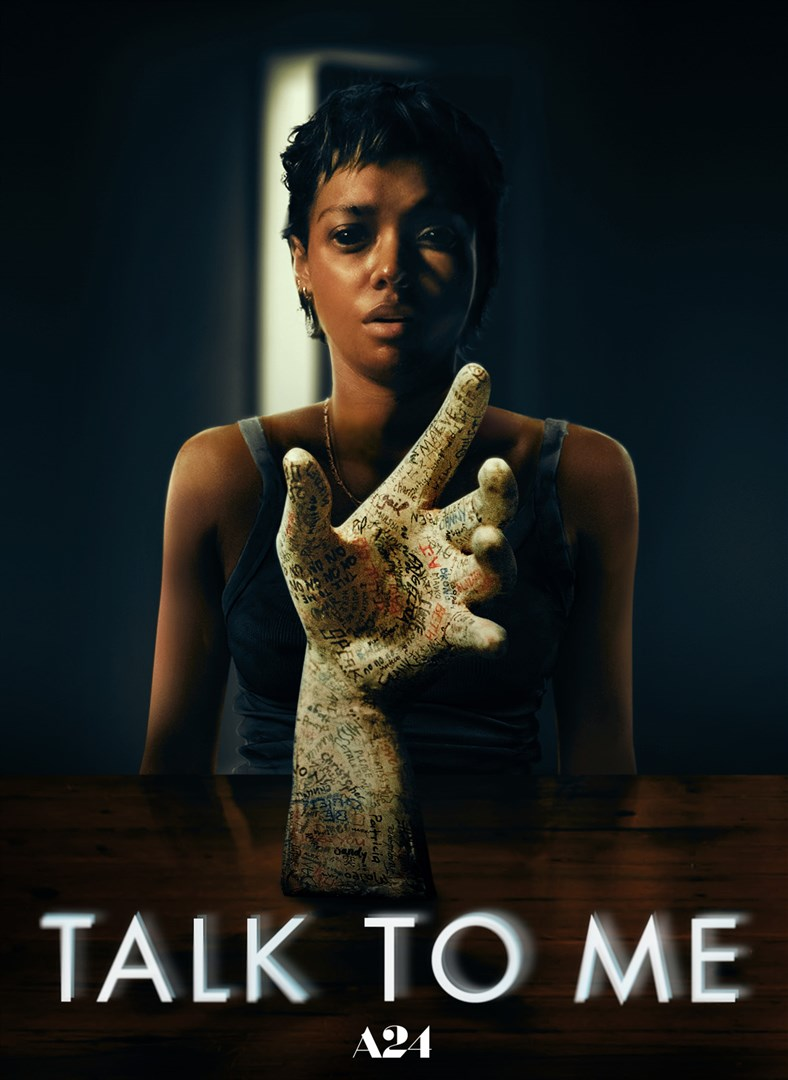
I know. ‘Horror film made by YouTubers’ sounds like a punchline. Danny and Michael Philippou, Australian brothers, large YouTube following, not a traditional filmmaking background, made Talk to Me (2022), and it is one of the best horror debuts I’ve seen. No asterisks. No “for a first film” qualifiers.
The setup: a severed ceramic hand lets you make contact with the dead, and because people are people, it immediately becomes a party game. What makes the film land so hard is what’s underneath all of that. It’s really about a girl who lost her mother and cannot stop reaching back toward her, and the film uses horror to say something true and painful about grief and the seductive danger of “just one more moment.” I was not emotionally prepared. Nobody warned me. Consider yourself warned.
Argentina Called. It’s “When Evil Lurks” and It’s a Lot.
When Evil Lurks (2023), from Argentine director Demián Rugna, loses absolutely nothing in translation. It has this almost procedural internal logic about how evil spreads, a specific set of rules the characters learn slowly, and horribly, and that rigour makes the whole thing feel uncomfortably real. You’re not watching people make dumb movie decisions. You’re watching people try very hard and fail anyway. That’s a much scarier proposition.
Fair warning: it is bleak. Not nihilistic for shock value, but genuinely troubled, in the way that great tragedy is troubled. It doesn’t wrap up tidily. It doesn’t let you off the hook. It is also one of the most frightening things I have seen in recent years, so there’s that.
The Substance – Horror That Has Notes For You
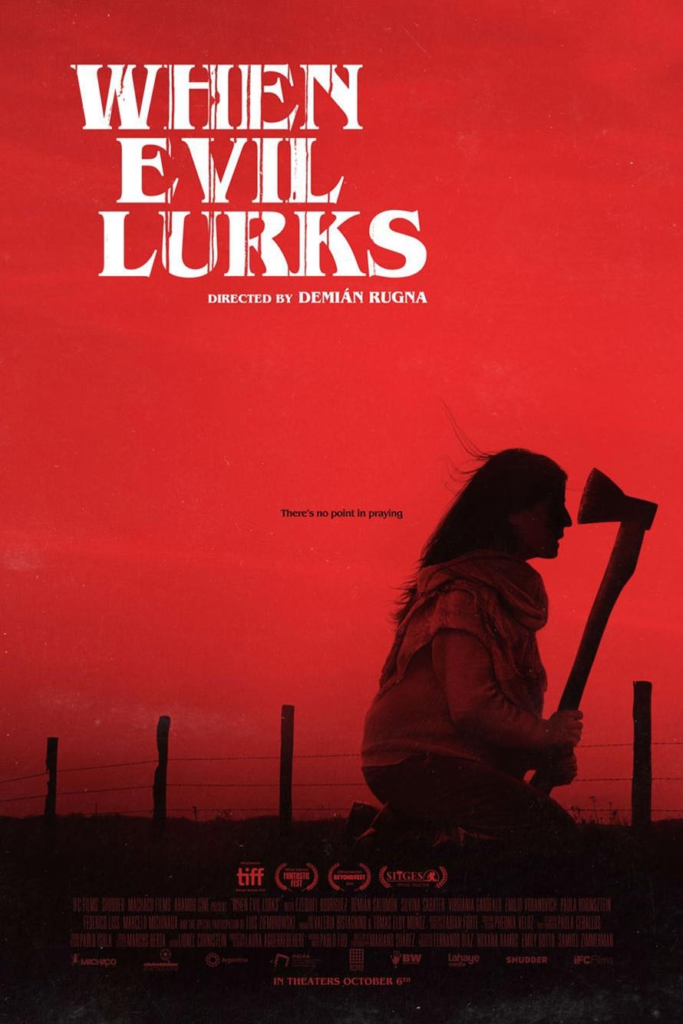
Coralie Fargeat’s The Substance (2024) is doing something a little different from everything else on this list. It’s body horror as satire, a savage, pointed, often darkly funny film about beauty standards and the way women are consumed and discarded by an industry built entirely on their insecurities. It is deliberately excessive. It is not subtle. It does not want to be subtle. It wants to leave a mark, and it does.
It made me laugh, wince, cover my eyes, and then sit very still when it was over. That’s a specific combination that very few films pull off. Fargeat is not interested in scaring you and then letting you go home comfortable. Respect.
Robert Eggers: One That Scared Me, One That Wowed Me
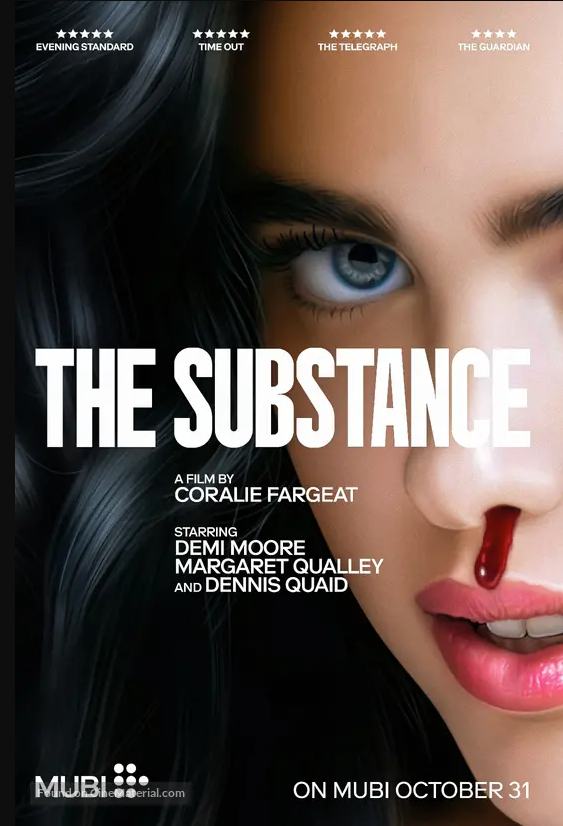
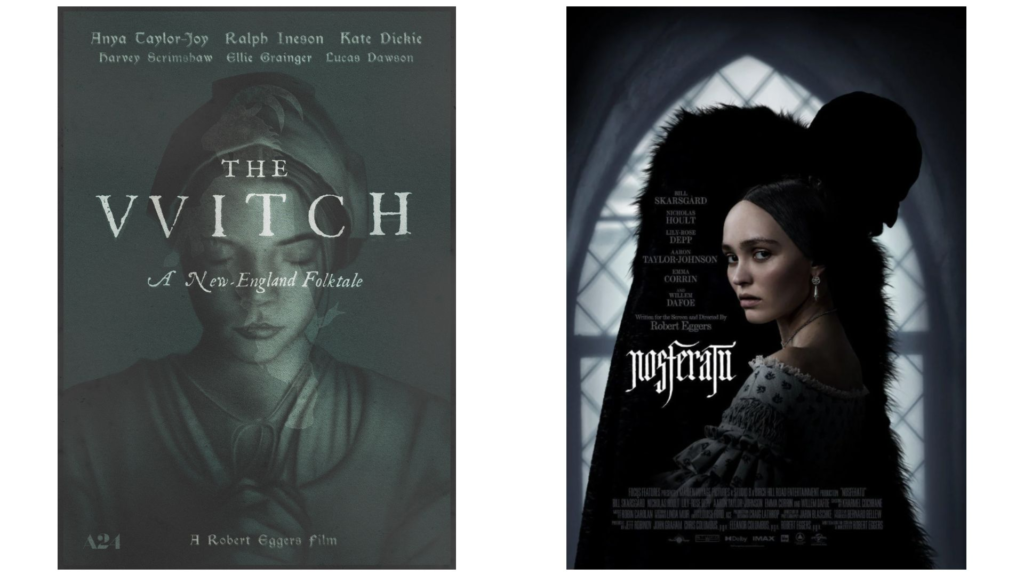
I have a lot of time for Robert Eggers, which is exactly why I’ll be honest about this. The Witch (2015) is one of the spookiest films I have ever seen, full stop. Set in 17th-century New England, meticulous in its period accuracy, and genuinely terrifying in the way that slow-burn dread is terrifying, it comes from the inside, from paranoia feeding on paranoia, from a community turning on itself until you can barely tell what’s real. Brilliant.
His Nosferatu (2024) remake is a different conversation. The cinematography is extraordinary, genuinely spectacular, every frame like a painting, and I admired it enormously. But I have to be honest: I was not particularly scared by it. I respected it deeply. I just didn’t dread it. Sometimes beauty and terror don’t fully overlap, and for me, this one sat closer to the beauty end. Still worth every minute. Just calibrate expectations accordingly.
And Then There’s “Hokum”, Which Is Already Out, By the Way
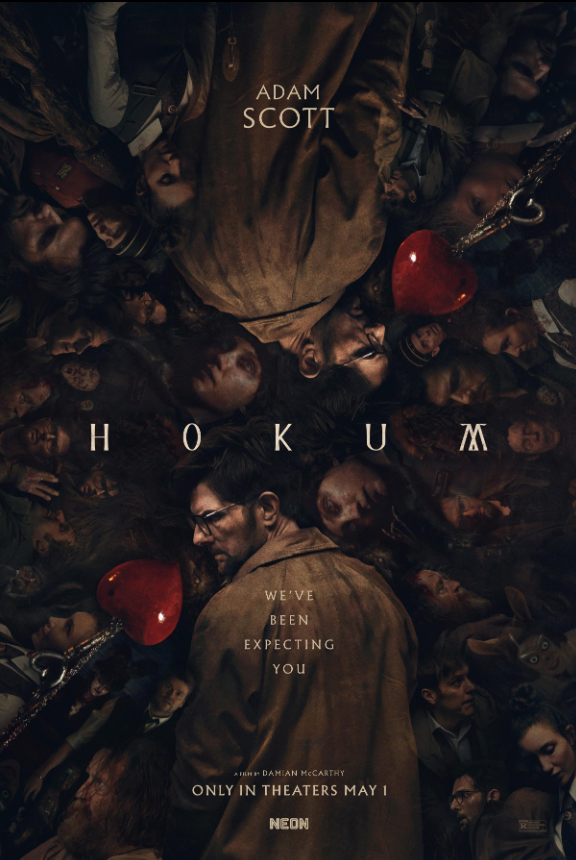
Adam Scott plays a horror writer, already love the meta energy, who travels to a remote hotel in rural Ireland to scatter his parents’ ashes, blissfully unaware that the honeymoon suite is said to be haunted by a witch. Directed by Irish filmmaker Damian McCarthy, who made Caveat and Oddity before this and who clearly has a gift for making enclosed spaces feel like they’re slowly breathing. It came out May 1st, critics are into it, and it’s sitting at 88% on Rotten Tomatoes. I have a date with this one very soon, and based on everything I’ve read, I will need a blanket.